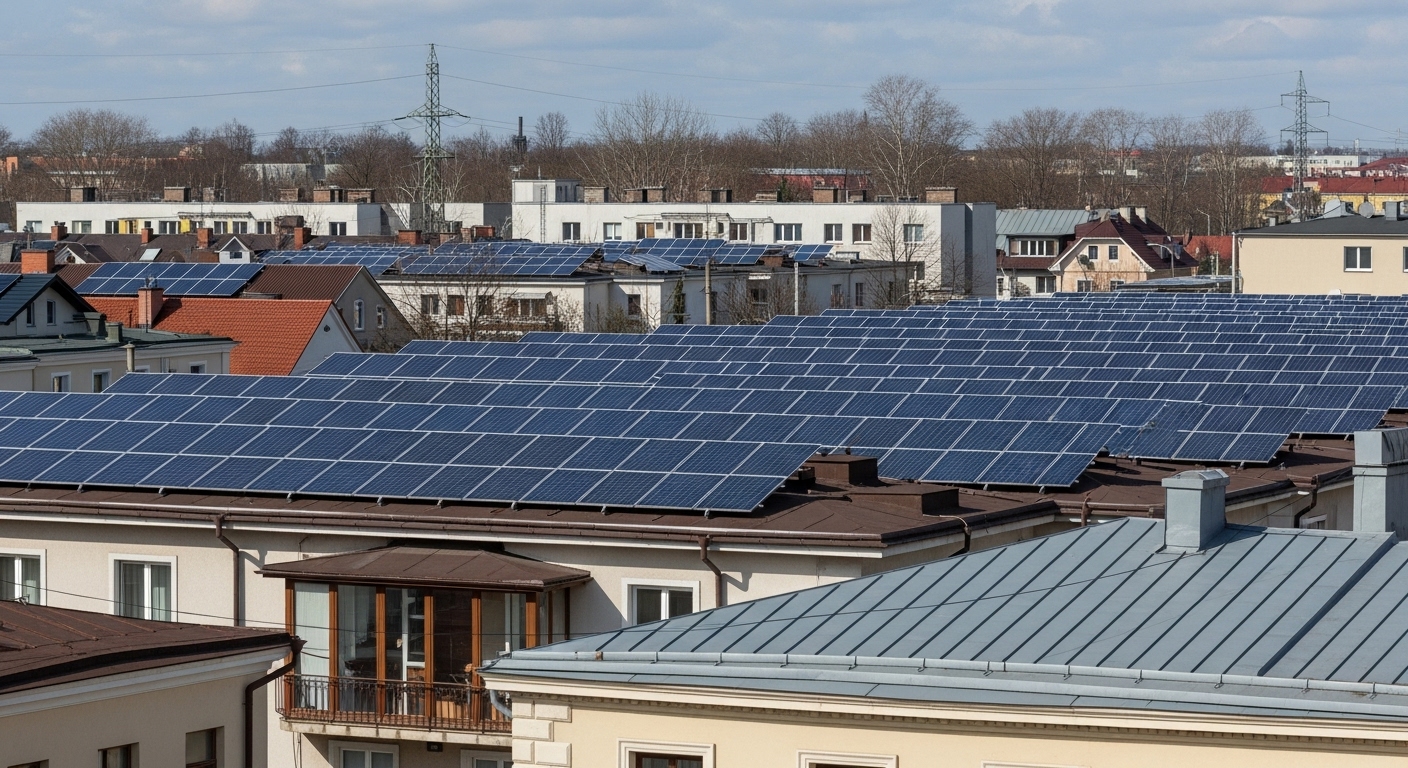
There was a time, not long ago, when the variability of the sun and wind was considered the fatal flaw of renewable energy. The sun does not shine at night, the wind does not always blow, and a grid cannot run on sunshine that was available at noon but gone by dinner. Critics argued that renewables could never replace fossil fuels because they could not be relied upon on demand. The answer to that objection has arrived faster than almost anyone expected, and it is energy storage. The battery that powers an electric car, the reservoir behind a hydroelectric dam, the compressed air in a salt cavern, and the heat stored in molten salt are all forms of energy storage — the technologies that capture energy when it is abundant and release it when it is needed.
The energy storage revolution has been one of the great technological surprises of the climate era. The cost of lithium-ion batteries — the dominant storage technology — has fallen by more than ninety percent since 2010, and the deployment of battery storage on power grids has exploded. Storage is the key that unlocks the full potential of renewables: it smooths their variability, shifts their output to the hours of peak demand, and allows grids to run on far higher shares of clean energy than was once thought possible. This article explores the technologies of energy storage, the economics that have transformed them, and why storage is the linchpin of the clean energy future.
Why Storage Matters
The fundamental problem that storage solves is the mismatch between when renewable energy is generated and when it is needed. Solar generation peaks at midday, but electricity demand peaks in the evening. Wind blows strongest at night in many regions, when demand is low. Without storage, a grid with a high share of renewables faces a dilemma: it must either back up the renewables with fossil plants that run when the sun and wind are absent, or it must waste the excess energy that renewables generate when demand is low. Storage changes both terms of the dilemma. It captures the excess energy and releases it at the times of need, allowing renewables to supply a larger share of the grid's electricity and reducing the need for fossil backup.
The Grid as a Balancing Act
An electricity grid must balance supply and demand in real time — every second, the power generated must equal the power consumed. Historically, this balancing was done by flexible fossil plants: gas turbines could be ramped up and down as demand rose and fell. Storage provides a cleaner way to balance: batteries can respond in milliseconds, absorbing excess power or discharging it instantly, and they can do so without the emissions of gas. As renewables grow, the grid's need for flexibility grows with them, and storage is the cleanest, fastest, and increasingly the cheapest source of that flexibility.
The Technologies of Storage
Energy storage is a family of technologies, each with its own strengths and its own role in the system.
Batteries
Lithium-ion batteries are the workhorses of the storage revolution. They are modular, fast, efficient, and their costs have collapsed. They power electric vehicles, and the same technology is deployed in grid-scale battery farms that smooth renewable output and provide the fast response that keeps grids stable. Sodium-ion and other chemistries are emerging as lower-cost alternatives, and flow batteries, which store energy in liquid electrolytes, are suited to longer-duration applications. Batteries excel at the short-to-medium duration storage — minutes to hours — that handles most of the grid's daily balancing needs.
Pumped Hydro and Gravity
Pumped hydroelectric storage is the oldest and largest form of grid storage: it pumps water uphill when energy is abundant and releases it through turbines when energy is needed. Pumped hydro provides the bulk of the world's grid storage capacity, and its scale — reservoirs and dams — makes it ideal for the multi-hour and daily storage that renewables require. Gravity-based storage, which uses surplus energy to raise weights or other masses and releases them to generate power, is an emerging variant, while the traditional dams of hydropower continue to provide the flexibility that hydro systems have always offered.
Long-Duration and Seasonal Storage
Beyond batteries and pumped hydro, the harder problem is long-duration and seasonal storage — the ability to store energy for days, weeks, or the full winter season. The leading candidate is hydrogen, which can be produced from surplus renewable electricity, stored in large quantities, and converted back to power when needed. Compressed air storage and thermal storage — storing heat in molten salt or other media — also provide longer-duration options. These technologies are at earlier stages of deployment, but they are the answer to the final frontier of grid storage: the periods when the sun does not shine and the wind does not blow for extended stretches.
The Economics of the Revolution
The energy storage revolution is above all an economic story. The cost of lithium-ion batteries has fallen by more than ninety percent since 2010, driven by the scale of the electric vehicle industry, and the cost is projected to keep falling. The economics of storage have flipped: what was once the most expensive part of the renewable system is becoming one of the cheapest ways to balance a grid. Analysts now routinely conclude that a grid powered largely or entirely by renewables plus storage is cost-competitive with — and often cheaper than — a grid powered by fossil fuels. The combination of cheap solar, cheap wind, and cheap batteries has created a technology package that can, in principle, replace fossil fuels across the power sector.
Storage and the Rise of Renewables
The deployment data tells the story. Grid-scale battery storage has grown from a rounding error a decade ago to a major industry, and the growth is accelerating. In markets from California to Australia to China, batteries are being built alongside solar and wind, pairing generation with storage in a single project. The pairing is becoming standard practice because it makes the economics work: storage captures the excess generation that would otherwise be curtailed and sells it at the higher evening prices. The result is that storage is not a cost added to renewable projects but a value added to them — a way to sell more clean power at better prices.
Energy Storage at a Glance
90%+: Fall in lithium-ion battery costs since 2010
Milliseconds: The response time of battery storage in balancing the grid
#1: Pumped hydro's rank as the world's largest form of grid storage
Hydrogen: The leading candidate for seasonal storage
100%: The share of grid power that renewables plus storage can supply
The Challenges Ahead
The storage revolution has real challenges, and they must be managed if the technology is to deliver its full potential. The first is the supply chain: batteries require lithium, cobalt, nickel, and other materials, and the mining of these materials carries environmental and social costs that must be addressed through responsible sourcing and recycling. The second is the longevity and disposal of batteries: their useful life is finite, and the recycling industry for batteries is still maturing. The third is the long-duration gap: the seasonal storage that a fully renewable grid will eventually require is not yet cheap or scaled. And the fourth is the grid itself: integrating high shares of variable renewables and storage requires transmission, markets, and operating practices that many grids have not yet built. These are not reasons to slow the revolution; they are the work of building it properly.
Conclusion: The Key That Unlocks the Grid
Energy storage is the technology that turns renewable energy from a complement to fossil fuels into a replacement for them. The sun and wind are variable, but the variability is not an obstacle once the means to store their energy exists — and the means now exist, at a cost that has fallen beyond expectation. The battery farms rising beside the solar fields, the reservoirs of pumped hydro, and the hydrogen caverns of the future are the infrastructure of a grid that can run on clean energy, around the clock, in every season. The storage revolution has already changed the economics of the transition; its completion is the difference between a grid that uses renewables and a grid that can be powered by them. The sun and the wind have always been there; storage is the technology that finally lets humanity use them whenever it needs them.
Frequently Asked Questions
Why is energy storage important for renewables?
Storage solves the mismatch between when renewable energy is generated and when it is needed. It captures excess solar and wind power and releases it at times of peak demand, allowing grids to run on far higher shares of clean energy.
What are the main types of energy storage?
The main types are batteries (especially lithium-ion), pumped hydroelectric storage, compressed air, thermal storage, and hydrogen. Batteries handle short-to-medium durations, while hydrogen and other technologies address seasonal storage.
How much have battery costs fallen?
Lithium-ion battery costs have fallen by more than ninety percent since 2010, driven by the scale of the electric vehicle industry. This collapse has made grid-scale battery storage economically viable and increasingly the cheapest source of grid flexibility.
Can storage make grids 100% renewable?
Yes, in principle. The combination of cheap solar, cheap wind, and cheap storage can supply a grid's power, with hydrogen and other long-duration technologies addressing the seasonal variations that batteries alone cannot cover.
What are the challenges for energy storage?
The challenges include the supply chain and mining of battery materials, battery recycling and disposal, the cost of long-duration storage, and the need to upgrade grids and markets to integrate high shares of variable renewables and storage.
Related Articles
Renewable Energy: Powering a Cleaner Future — The solar and wind that storage makes reliable.
The Energy Transition: How the World Is Powering Down on Fossil Fuels — The broader transformation that storage enables.
Green Hydrogen: Fueling the Hardest-to-Decarbonize Sectors — The hydrogen technology that provides seasonal storage and clean fuel.