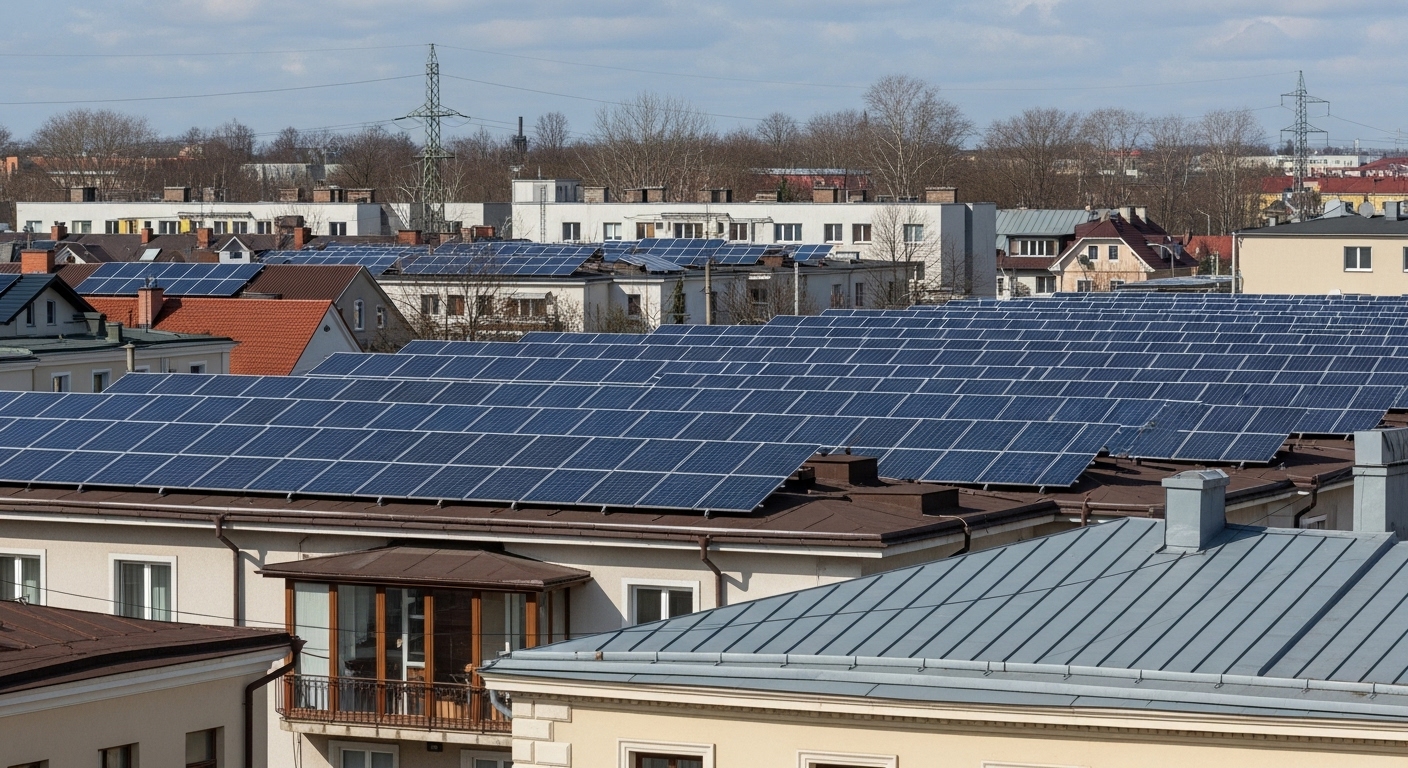
In the space of a decade, something extraordinary happened to the world's energy system. Solar power, once a fringe technology subsidized into existence, became the cheapest source of electricity in most of the world. Wind power followed close behind. The price of lithium-ion batteries, the key to storing the sun and wind's variable output, fell by more than ninety percent. Electric vehicles went from a novelty to a mainstream choice, with sales growing rapidly in every major market. And in 2023, for the first time, global investment in clean energy exceeded the investment in fossil fuels. The energy transition is no longer a proposal; it is underway, and it is moving faster than almost anyone predicted.
But the transition is also incomplete, uneven, and contested. Fossil fuels still supply roughly eighty percent of the world's primary energy, and global energy demand keeps rising as the developing world grows. The grid infrastructure, supply chains, and political systems built around fossil fuels do not change overnight. And the pace of the transition is still far too slow to meet the climate targets that science says are necessary. This article examines the reality of the energy transition — where it is succeeding, where it is stalling, and what it will take to complete it in time.
The Economics That Changed Everything
The energy transition is, at bottom, an economic story. For most of history, fossil fuels were cheaper than alternatives, so the world used them. That is no longer true for electricity. The cost of solar photovoltaic panels has fallen by more than ninety percent since 2010, and the cost of onshore wind by more than two-thirds. In most of the world, new solar and wind plants now generate electricity more cheaply than new coal or gas plants, even without subsidies. The International Energy Agency has declared solar the cheapest source of electricity in history, and the economics continue to improve as manufacturing scales and technology advances. When clean energy is cheaper than the dirty alternative, the market begins to do the transition's work by itself.
Batteries: The Missing Link
The great obstacle to renewable energy was always its variability — the sun does not shine at night, and the wind does not always blow. Batteries are dissolving that obstacle. The dramatic fall in battery costs, driven largely by the electric vehicle industry, has made grid-scale storage economically viable. Batteries can now shift solar power into the evening, smooth the intermittency of wind, and provide the flexibility that grids need to integrate high shares of renewables. The combination of cheap solar, cheap wind, and cheap batteries has created a technology package that can, in principle, power a modern grid without fossil fuels — and that package is what makes the transition feasible.
Where the Transition Is Succeeding
The most remarkable successes have been in electricity generation. In 2023, renewable energy accounted for more than thirty percent of global electricity generation, and the share is rising. Several countries now generate the overwhelming majority of their power from renewables. Europe has retired a large share of its coal capacity and built wind and solar at scale. China, the world's largest emitter, has also become the world's largest builder of solar, wind, and electric vehicles, and its clean energy growth is now the largest single force in the global transition. The United States, boosted by the Inflation Reduction Act's incentives, has seen a surge in solar, storage, and electric vehicle investment. The pattern is global: renewables are being built at record rates, and their share of electricity is rising in every major market.
Electric Vehicles
Transport, the second-largest source of emissions, is in the early stages of its own transition. Electric vehicles accounted for a growing share of new car sales worldwide, passing twenty percent of the global market, with much higher shares in countries like Norway and China. The economics are shifting: as battery costs fall, electric vehicles approach purchase-price parity with internal combustion vehicles, and their lower running costs make them cheaper over their lifetime. Trucks, buses, and even ships and aircraft are beginning the same transition, though their battery needs are larger and their progress slower. The transition of transport is a decade or more behind electricity, but it is unmistakably underway.
The Hard Parts of the Transition
The energy transition is not a single substitution but a rewiring of the entire economy, and the remaining work is concentrated in the hard cases.
Heavy Industry
Steel, cement, chemicals, and aluminum — the materials of modern civilization — are among the hardest sectors to decarbonize. Their emissions come not only from burning fuel but from the chemical processes themselves: making cement releases carbon dioxide from limestone, and making steel from iron ore requires a chemical reaction that produces carbon. The emerging solutions — green hydrogen for steel, carbon capture for cement, electric heat for industry — are promising but not yet cheap or scaled. The industrial transition will require sustained investment in research, demonstration, and early adoption, and it will arrive later than the power sector's transition.
Aviation and Shipping
Aviation and shipping, which move the world's people and goods, have no easy substitute for their energy-dense fuels. Sustainable aviation fuels, made from biomass or synthesized with clean hydrogen, are under development but expensive and scarce. Electric and hydrogen propulsion may work for short-haul flights and some shipping routes, but long-haul aviation and deep-sea shipping will need fuels and infrastructure that do not yet exist at scale. These sectors will be among the last to decarbonize, and they are likely to depend on a combination of clean fuels, efficiency, and the offsets that a well-designed market can provide.
The Grid and the Politics
Every transition meets resistance in the systems built for the old world. Grids built to carry power from large fossil plants need rebuilding to connect distributed renewables and storage. Permitting for new transmission lines can take a decade, longer than the construction of the solar farms they are meant to serve. The politics of transition are equally hard: communities dependent on fossil fuel jobs fear for their livelihoods, and the fossil fuel industry deploys its considerable influence to slow change. The transition is as much a political and social project as a technological one.
The Energy Transition at a Glance
90%+: Fall in the cost of solar panels since 2010
30%+: Share of global electricity generated by renewables
20%+: Share of new car sales accounted for by electric vehicles
$1.7 trillion+: Global investment in clean energy in 2023
~80%: Share of global primary energy still supplied by fossil fuels
The Uneven Geography of the Transition
The benefits of the transition are not yet shared evenly, and the gap is one of the defining justice issues of the climate era. The wealthy nations, which have historically emitted the most, have the capital to invest in clean energy and the social safety nets to cushion the change. Many developing nations, by contrast, face a cruel bind: they need affordable energy to grow and lift their people out of poverty, but the clean energy technologies are often more expensive to finance in their markets, and the financial system charges them far higher costs of capital for the same projects. Bridging this gap — through concessional finance, technology transfer, and debt relief — is essential both to the success of the transition and to its fairness. The transition cannot succeed if it leaves most of the world behind.
What It Will Take to Finish
Completing the energy transition requires accelerating what is already working and solving what is not. The levers are clear. First, build faster: expand grids, streamline permitting, and deploy renewables and storage at a pace measured in years, not decades. Second, electrify everything: shift transport, buildings, and industry onto electricity, because electricity is the clean energy system's natural end-use. Third, solve the hard sectors: invest in green hydrogen, carbon capture, and clean fuels for industry, aviation, and shipping, with the demonstration projects that bring costs down. Fourth, make the transition fair: finance clean energy in the developing world, support workers and communities in transition, and return the benefits of cheap energy to the people. And fifth, retire the old system deliberately: close coal plants, phase out gas, and plan the decline of fossil fuel infrastructure so that the transition is orderly rather than chaotic.
Conclusion: Faster Than You Think, Not Fast Enough
The energy transition is one of the great success stories of human effort — and one of its greatest unfinished projects. In a few short decades, technologies that barely existed have become the cheapest ways to power the world, and the momentum is real. But the finish line is defined not by the market but by the physics of the climate: the emissions that are being added to the atmosphere right now will determine the world our children inherit. The transition is moving faster than most people realize and too slowly to meet the moment. The question is no longer whether the world can power down on fossil fuels — the technology and economics say it can. The question is whether it will choose to do so in time.
Frequently Asked Questions
How fast is the energy transition happening?
The transition is moving rapidly in electricity, where renewables now generate more than thirty percent of global power and are cheaper than new fossil plants in most of the world. Transport is following with fast-growing electric vehicle sales, while industry, aviation, and shipping remain harder to decarbonize.
Is renewable energy really cheaper than fossil fuels?
Yes, for electricity. Solar and wind are now the cheapest sources of new electricity in most of the world, and battery costs have fallen sharply. The economics of transport are also shifting as electric vehicles approach purchase-price parity with internal combustion vehicles.
What are the hardest sectors to decarbonize?
Heavy industry (steel, cement, chemicals), aviation, and shipping are the hardest. Their emissions come partly from chemical processes rather than fuel combustion, and they need green hydrogen, carbon capture, and clean fuels that are not yet cheap or scaled.
Why is the transition slower in developing countries?
Developing countries face higher costs of capital, weaker infrastructure, and fewer resources for clean energy investment. Closing this gap through concessional finance, technology transfer, and debt relief is essential for a fair and successful global transition.
Can the transition be completed in time to meet climate goals?
It can, but only with accelerated deployment of renewables, electrification, and storage; investment in hard-to-decarbonize sectors; and policies that make the transition fair. The technology and economics exist; the pace of political and social change is the constraint.
Related Articles
Renewable Energy: Powering a Cleaner Future — The solar, wind, and hydro technologies at the heart of the transition.
Carbon Pricing and Carbon Markets: Making Polluters Pay — The economic policies that accelerate the shift away from fossil fuels.
The Carbon Lockout: Closing the Window on Fossil Fuels — Why retiring fossil infrastructure in time is the defining challenge of the decade.