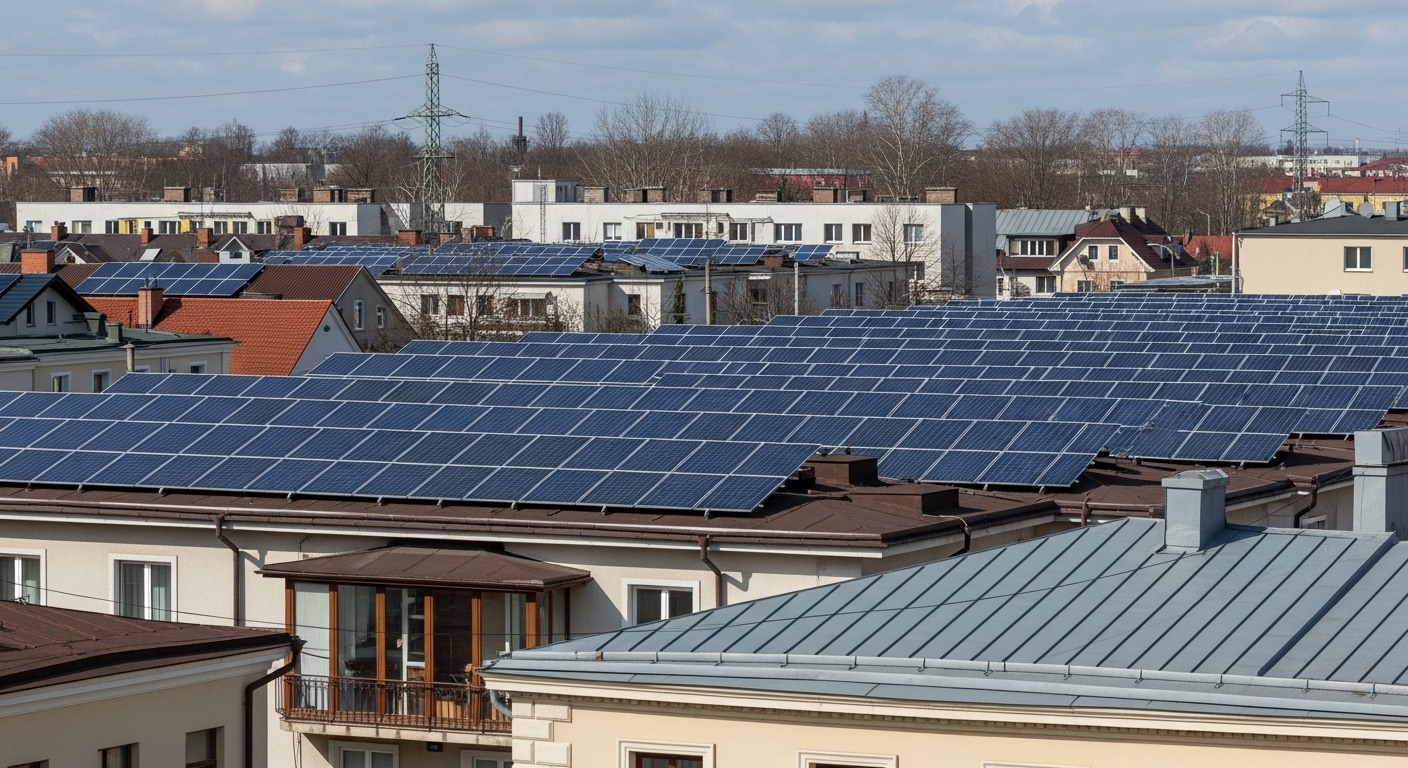
There is a new workforce being built around the world, and it is being assembled faster than most people realize. On rooftops in Texas and villages in Kenya, solar installers are wiring panels that did not exist a decade ago. In the offshore wind farms of the North Sea and the deserts of China, turbine technicians maintain machines the size of cathedrals. In the factories of Europe and Asia, engineers are assembling the batteries that will power millions of electric vehicles. In the labs of universities and startups, researchers are developing green hydrogen, carbon capture, and the materials of the clean economy. And on farms and in forests on every continent, workers are planting trees, restoring wetlands, and building the soil that will store carbon. This is the green economy, and it is already one of the world's largest employers.
The green jobs revolution is the most visible face of the energy transition's economics. Far from being a burden on the economy, the response to climate change is becoming one of its engines of growth. The International Energy Agency and the International Labour Organization both project that the transition to net zero will create far more jobs than it destroys — tens of millions of new jobs worldwide, in sectors ranging from clean energy and construction to transport, agriculture, and manufacturing. The challenge is not whether the green economy can employ people; it is whether the transition will happen fast enough, and whether the jobs it creates will be good jobs, accessible to the people who need them most. This article explores the scale of the green economy, the kinds of work it is creating, and what it will take to make the transition a rising tide that lifts everyone.
The Scale of the Green Economy
The clean energy sector is already a major global employer. The International Energy Agency estimates that employment in the global energy sector is shifting decisively toward clean energy, with clean energy jobs now exceeding fossil fuel jobs in many countries. Solar and wind alone employ millions of workers worldwide, and the numbers are growing rapidly as deployment accelerates. The broader green economy — including energy efficiency, electric vehicles, public transit, sustainable agriculture, ecosystem restoration, and the services that support them — is even larger. Studies have consistently found that clean energy is more employment-intensive than fossil energy: the same dollar of investment creates more jobs in solar, wind, and efficiency than in coal, oil, and gas. The transition is not a choice between jobs and climate; it is a choice between the climate and the jobs of the future.
Where the Jobs Are
The green economy spans a remarkable range of occupations. In energy, the jobs are in solar and wind installation and maintenance, grid construction, battery manufacturing, and the mining and processing of the materials — lithium, copper, and rare earths — that clean technology requires. In buildings, the jobs are in retrofitting homes and offices for energy efficiency, installing heat pumps, and designing net-zero buildings. In transport, the jobs are in manufacturing and servicing electric vehicles, building charging infrastructure, and expanding public transit and rail. In agriculture and forestry, the jobs are in sustainable farming, agroforestry, reforestation, and ecosystem restoration. And across all of these, there are the supporting roles — engineers, researchers, financiers, project managers, and the workers in the supply chains that the green economy depends on.
The Jobs Transition: Winners and Losers
Every great economic transition creates winners and losers, and the energy transition is no exception. The winners are the workers and communities that move into the clean economy. The losers are those dependent on the industries being phased out — coal miners, oil and gas workers, and the communities built around fossil fuel extraction and combustion. The central challenge of the green jobs revolution is to make the transition just: to ensure that the people who lose their livelihoods in the old economy are not abandoned, but are retrained, supported, and carried into the new one.
The Place-Based Challenge
The geography of the transition matters enormously. Fossil fuel jobs are concentrated in particular places — coal regions, oil towns, and the ports and plants of the petrochemical industry. The clean economy's jobs are often located elsewhere, in sunnier or windier regions, or in the manufacturing hubs of clean technology. This geographic mismatch means that national job gains do not automatically reach the communities that lose the most. Just transition programs that are targeted at specific places — investing in diversification, retraining, and new industry in coal and oil regions — are essential to prevent the transition from deepening regional inequality. Countries like Germany, with its coal-region transition programs, and Scotland, with its plans for oil-dependent communities, are showing what place-based support looks like.
Quality and Access: Making Green Jobs Good Jobs
The green economy will not automatically produce good jobs. The conditions that determine whether green jobs are decent jobs — wages, safety, security, and the right to organize — are set by the same labour institutions that shape work everywhere. Early evidence is mixed. Some clean energy work, particularly in manufacturing and installation, offers solid wages and benefits. But there are also reports of precarious work, low pay, and difficult conditions in some segments of the industry, particularly in the informal and gig-adjacent corners of the sector. The labour movement has a central role in the green transition: organizing green workers, negotiating for fair wages and conditions, and ensuring that the clean economy does not reproduce the injustices of the fossil one. Governments, for their part, can set standards, enforce protections, and tie public investment to good-job requirements.
Access and Equity
The green economy must also be accessible. Historically, energy and construction work has been dominated by men, and the clean energy sector has inherited that imbalance. Training programs, apprenticeships, and recruitment that deliberately reach women, youth, and marginalized communities are essential to make the green workforce representative. Access is also geographic and economic: if the good green jobs cluster in wealthy cities while rural and poor regions are left out, the transition will deepen the divides it should close. Equity in the green economy is not a secondary consideration; it is the condition for building the broad political coalition that the transition needs.
The Green Economy at a Glance
Millions: Workers already employed in clean energy worldwide
10–30 million: Projected net new jobs from a net-zero transition by 2030
~1/3: More jobs created per dollar in clean energy than in fossil fuels
85%: Share of energy sector jobs already in clean energy in some leading countries
1.5–2x: The multiple by which clean energy job gains outpace fossil fuel job losses in projections
The Skills the Future Needs
The green economy requires skills that are, in many cases, the same skills the old economy used — electricians, welders, engineers, and construction workers are all in demand. But it also requires new skills: battery chemistry, grid integration, carbon accounting, and the specialized knowledge of technologies that are scaling up for the first time. The education and training systems of every country will need to respond. This means expanding vocational training and apprenticeships in clean technology, updating curricula in schools and universities, and building the retraining pathways that allow workers in declining industries to move into growing ones. Skills are the currency of the transition, and investing in them is the difference between a transition that works and one that leaves people behind.
The Role of Policy
The green jobs revolution is not natural or inevitable; it is being built by policy. The subsidies, standards, and public investment that have driven down the cost of clean energy have also created the markets that generate jobs. Industrial policy — deliberately building domestic clean energy manufacturing, battery plants, and supply chains — is back in fashion around the world, from the United States' Inflation Reduction Act to the European Union's Green Deal to China's sustained investment in clean technology. These policies create jobs, reduce dependence on imports, and position countries for the economic competition of the clean era. But policy must also manage the transition: retraining programs, social protection, regional investment, and worker voice are the tools that make the transition just.
Conclusion: The Work of the Future
The green economy is not a promise about the future; it is a workplace that already employs millions of people and is growing faster than the fossil economy it is replacing. The work of building solar farms, insulating homes, manufacturing batteries, planting forests, and designing the infrastructure of a zero-carbon world is real, and it is among the most consequential work any generation has been asked to do. The challenge is to make it good work — well paid, safe, secure, and open to everyone — and to make the transition just, so that the workers and communities of the old economy are carried into the new one rather than left behind. The climate crisis demands a transformation of the global economy, and that transformation is creating the jobs of the future. The question is whether we build them fairly and fast enough.
Frequently Asked Questions
What are green jobs?
Green jobs are jobs that contribute to reducing greenhouse gas emissions or restoring the environment. They span clean energy, energy efficiency, electric vehicles, sustainable agriculture, ecosystem restoration, and the manufacturing, engineering, and services that support these sectors.
Does the energy transition create or destroy jobs?
The transition creates more jobs than it destroys. Clean energy is more employment-intensive than fossil fuels, and the International Energy Agency and International Labour Organization project tens of millions of net new jobs globally from the transition to net zero.
What is a just transition?
A just transition ensures that the shift to a clean economy does not leave workers and communities behind. It involves retraining, new jobs, social protection, and targeted investment in regions that have depended on fossil fuel industries.
Are green jobs good jobs?
Green jobs can be good jobs, but their quality depends on wages, safety, security, and the right to organize. Labour organizing, fair standards, and government protection are needed to ensure the clean economy offers decent work, just like any other sector.
What skills does the green economy need?
The green economy needs existing skills like electrical, engineering, and construction work, plus new skills in battery technology, grid integration, carbon accounting, and clean technology manufacturing. Education, vocational training, and retraining programs are essential to supply them.
Related Articles
The Energy Transition: How the World Is Powering Down on Fossil Fuels — The clean energy build-out that is generating green jobs worldwide.
Climate Justice: Who Pays the Price of a Warming World? — The fairness questions at the heart of the transition.
Carbon Pricing and Carbon Markets: Making Polluters Pay — The economic policies shaping the new climate economy.