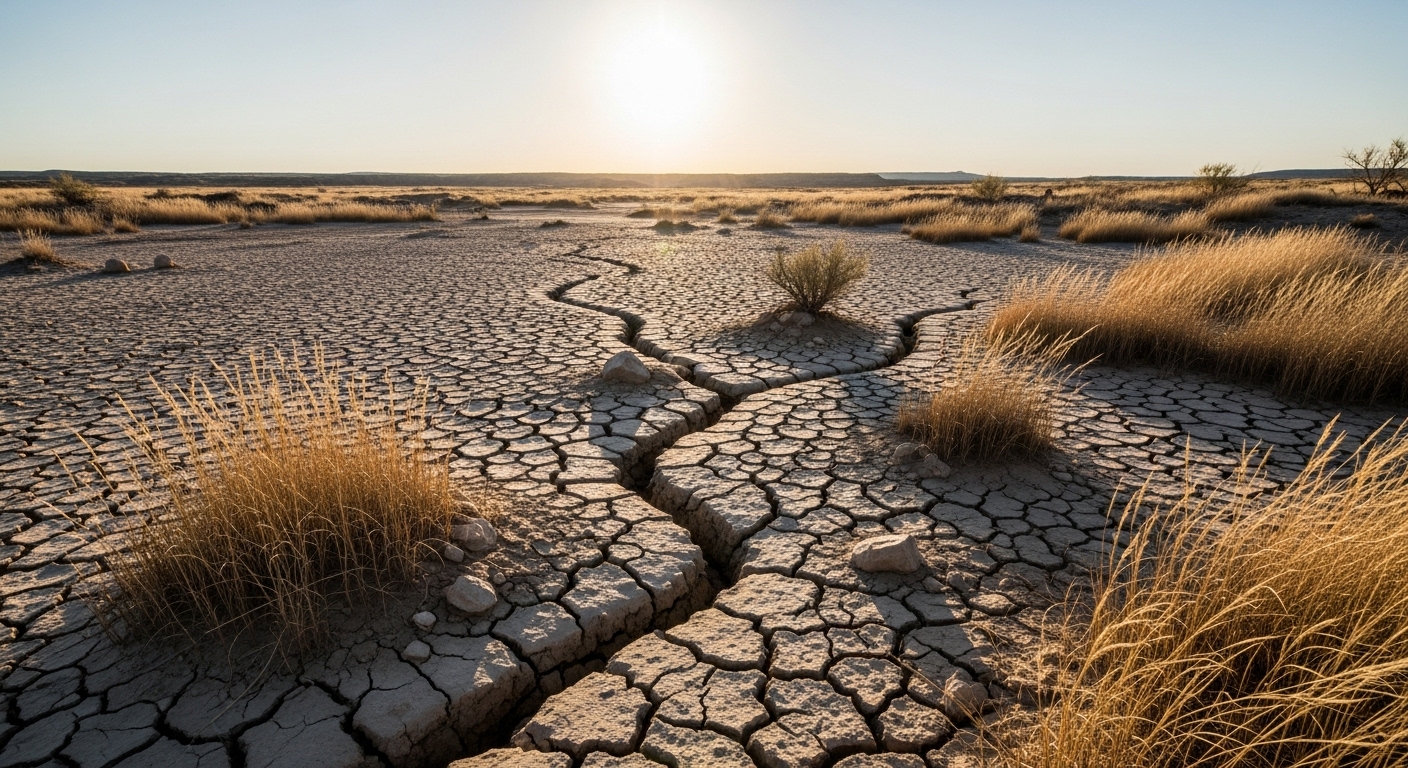
Of all the ways that climate change threatens human life, the deadliest is also the quietest. Floods drown in dramatic numbers and hurricanes wreck in spectacular displays, but heat kills on a scale that dwarfs them all — silently, in sweltering apartments and shadeless fields, in hospitals and on the street, in the richest countries and the poorest. The heatwave that swept across Europe in 2003 is estimated to have killed more than seventy thousand people, most of them elderly, alone, and unnoticed until the toll was counted. The Pacific Northwest heatwave of 2021, an event so far beyond the historical record that it stunned the scientists who study such things, killed hundreds in a region that thought it was safe from heat. And the toll is rising with every fraction of a degree the planet warms.
Extreme heat is the most direct, the most widespread, and the most lethal manifestation of climate change. It is also the most predictable and the most preventable: heat deaths are not inevitable, and the simple measures that save lives — early warning, shade, cooling centres, and check-ins on the vulnerable — are well known. This article explores why heat kills, how climate change is making it worse, who is most at risk, and what cities, governments, and communities can do to survive the heat of the future.
Why Heat Kills
The human body is built to operate within a narrow temperature range, and it defends that range fiercely. When the body is exposed to heat, it sheds it through the skin and through sweat, which evaporates and cools the body. But this system has limits. When the air is hot and humid, sweat cannot evaporate, and the body's cooling system shuts down. When the body can no longer shed heat, its core temperature rises, and the cascade of harm begins. Heat exhaustion — dizziness, nausea, and weakness — is the first warning. Heatstroke, the lethal stage, occurs when core temperature exceeds roughly 40°C: organs begin to fail, the brain swells, and without rapid cooling, death follows.
The Heat–Humidity Limit
The danger of heat is measured not only by temperature but by humidity. The wet-bulb temperature — a measure that combines heat and humidity — is the standard for the limits of human survival. A wet-bulb temperature of 35°C is considered the threshold above which a healthy person cannot survive for more than a few hours, because the air is too saturated for sweat to evaporate. As the climate warms, heatwaves with wet-bulb temperatures approaching this limit — once considered impossible — are beginning to occur in the hottest regions of South Asia and the Persian Gulf. Climate models project that such conditions will become more common and more widespread with continued warming, pushing parts of the world toward the edge of human habitability in summer.
How Climate Change Supercharges Heat
Climate change is doing two things to heat: raising the baseline and intensifying the extremes. The global average temperature has risen by more than 1°C since pre-industrial times, and heatwaves have warmed in step. The heatwave that was a once-in-a-century event a generation ago is now a once-in-a-decade event or more frequent. Studies have found that the probability of the 2021 Pacific Northwest heatwave — an event roughly 5°C above normal for a region unaccustomed to heat — was made at least 150 times more likely by climate change. The same attribution methods have shown that virtually every major heatwave of recent years — in Europe, India, China, the United States, and the Middle East — was made substantially hotter and more likely by human-caused warming.
The Interaction with Humidity and Nighttime
Warming also changes the character of heat. A warmer atmosphere holds more moisture, so humid heat — the most dangerous kind — is increasing in many regions. And the warming is raising nighttime temperatures faster than daytime ones, which matters enormously because night is when the body recovers. When cities stay hot through the night — the urban heat island effect keeps paved streets radiating heat into the early hours — the vulnerable have no respite, and the health toll mounts. The 2003 European heatwave was as deadly as it was partly because nights stayed hot, preventing recovery.
Who Is Most at Risk
Heat is not democratic; it falls hardest on those with the least ability to escape it. The elderly are the most vulnerable, because the body's ability to regulate temperature declines with age and because many live alone or with chronic conditions. Young children are vulnerable because their bodies overheat quickly. People who work outdoors — farmers, construction workers, delivery drivers, and labourers — are exposed for hours at a time, and heat kills workers in the fields of India and the cities of the United States alike. People with chronic disease — heart, respiratory, and kidney conditions — are at heightened risk. And the poor are at the greatest risk of all, because they are less likely to have air conditioning, less able to afford the electricity to run it, and more likely to live in hot, unshaded neighbourhoods. Heat is a hazard, but the distribution of its harm is a matter of justice.
The Urban Exposure
Cities concentrate heat through the urban heat island effect, which can add several degrees to a city's temperature compared with its surroundings. Within cities, the exposure is uneven: the poorest neighbourhoods have the fewest trees, the most pavement, and the least access to cooling. Studies of heat deaths in cities around the world consistently find that the burden falls on the poor, the elderly, and the socially isolated. Cooling is not a luxury; for the most vulnerable, it is a matter of survival, and its absence is a measure of inequality made visible in mortality statistics.
Extreme Heat at a Glance
70,000+: Estimated deaths in the 2003 European heatwave
150x: How much more likely climate change made the 2021 Pacific Northwest heatwave
35°C: The wet-bulb temperature threshold beyond which humans cannot survive
2x: How much faster nighttime temperatures are warming than daytime ones in many regions
#1: Heat's ranking among climate hazards as a cause of death
Heat and the Economy
The economic cost of heat is enormous and rising. Heat reduces labour productivity, especially for outdoor workers: studies estimate that extreme heat already costs the global economy hundreds of billions of dollars per year in lost work time, with the burden falling most heavily on the hottest and poorest regions. Heat damages crops, threatens livestock, and stresses power grids as air conditioning demand soars. It disrupts transport, as roads soften, railways buckle, and airports struggle. And the health costs — emergency visits, hospitalizations, and premature deaths — add further strain to health systems. The World Bank has projected that unchecked warming could cost trillions in lost productivity from heat alone by the end of the century. Heat is not only a health hazard; it is a brake on the economy.
Protecting People from Heat
The good news about extreme heat is that its harms are largely preventable. The tools are known, the costs are modest, and the lives saved are measurable.
Early Warning and Response
Heat-health warning systems, built on weather forecasts, alert communities days before a heatwave arrives. The most effective systems pair the warning with a response plan: opening cooling centres, extending hours at air-conditioned public buildings, and — critically — reaching the people most at risk. Cities that have implemented heat action plans, like Ahmedabad in India — the first South Asian city to do so — have documented reductions in heat deaths. The key is not the forecast but the follow-through: warning the vulnerable, checking on the isolated, and providing refuge from the heat.
Designing for Cool
The design of cities and buildings can make heat survivable. Trees and green space cool neighbourhoods through shade and evaporation; cool roofs and reflective pavements cut the absorption of the sun; and building codes that require insulation, shading, and access to cooling protect people inside their homes. In the long term, the transformation of the urban fabric — from heat-absorbing pavement to green, shaded, breathable streets — is the deepest form of heat protection. And universal access to cooling — air conditioning where needed, powered by clean energy so that cooling does not drive the warming that makes it necessary — is a justice requirement of the heat era.
Conclusion: Surviving the Heat of the Future
Extreme heat is the climate hazard that kills the most people, and it is the one most directly linked to the warming that human emissions have caused. It is also the most preventable. The heat of the future will be worse than the heat of the present — that is already determined by the emissions of the past. But how many people die is not predetermined. Early warning, cooling centres, green cities, universal access to cooling, and — above all — cutting the emissions that drive the warming can protect millions of lives. Heat is the quiet killer of the climate crisis; it does not have to be. The measures that save people from heat are among the cheapest, most effective, and most humane climate actions available, and they are within reach of every community. The question is whether they will be taken in time.
Frequently Asked Questions
Why is heat the deadliest climate hazard?
Heat kills more people than any other climate hazard because it is widespread, silent, and lethal to the most vulnerable. Major heatwaves have killed tens of thousands of people, and the toll is rising as the planet warms.
How does heat kill?
Heat kills when the body can no longer shed heat and core temperature rises. Heat exhaustion is the early stage; heatstroke, with organ failure and death, occurs when core temperature exceeds about 40°C. High humidity makes heat deadlier by preventing sweat from evaporating.
Who is most at risk from extreme heat?
The elderly, young children, outdoor workers, people with chronic diseases, and the poor are most at risk. The vulnerable tend to have less access to cooling, live in hotter neighbourhoods, and lack the means to escape the heat.
How is climate change making heat worse?
Climate change raises the baseline temperature and intensifies heatwaves. Attribution studies show major heat events are made substantially more likely and hotter by warming, and rising humidity and nighttime temperatures make the heat more dangerous.
How can heat deaths be prevented?
Through heat-health warning systems, cooling centres, check-ins on the vulnerable, and urban design with trees, green space, and cool surfaces — plus universal access to cooling powered by clean energy. Cutting emissions limits how hot the future becomes.
Related Articles
Heatwaves and the Climate Crisis — How a warming world is producing more frequent and intense heatwaves.
The Urban Heat Island Effect — How cities amplify heat and how design can cool them.
Climate Change and Human Health: The Hidden Cost — The broader health burden of a warming planet, with heat at its center.